The holiday season is the busiest stretch of the year for custom wine glasses, and the best plan treats it as three moments: Thanksgiving hosting, Christmas and year-end gifting, and New Year's Eve toasts. Premium Wine Glasses suggests matching a glass style and decoration to each moment, then starting every order early enough to clear the free mockup and roughly two weeks of production.
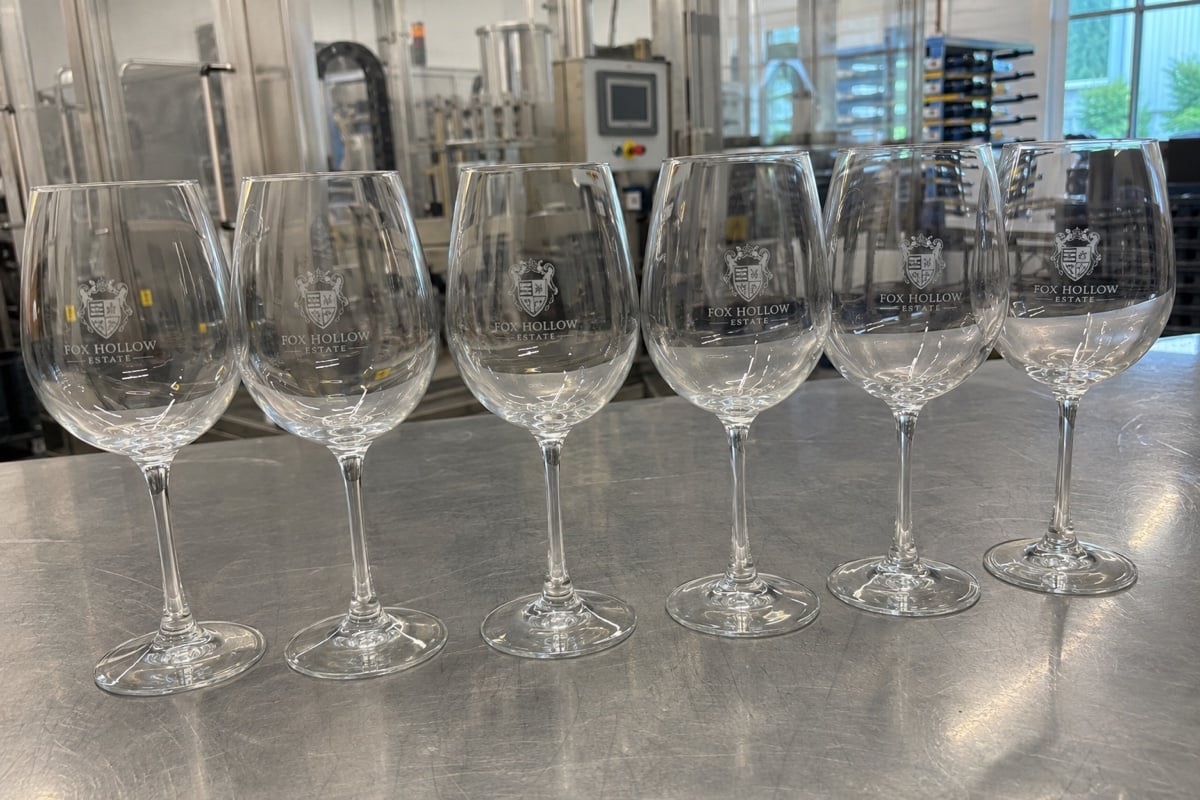
- Minimum order is 12 wine glasses per design.
- A free digital mockup arrives within 24 hours of your request.
- Standard turnaround is about 2 weeks after you approve the mockup, with express shipping available.
- One order can mix stemmed, stemless and champagne flutes for different holiday moments.
- You pay nothing until you approve the design.
Why does the holiday season need its own plan for custom wine glasses?
Custom wine glasses for the holidays need their own plan because three very different occasions land inside a few short weeks, and each one asks for a different glass. A Thanksgiving table wants sturdy everyday stemware, a client gift wants a boxed presentation, and a New Year’s Eve party wants something that photographs well at midnight.
Buyers who treat the season as one order often end up with the wrong style for at least one of those moments. A large red wine bowl looks generous at a seated dinner but feels awkward at a standing countdown party. A champagne flute is perfect for a toast but a poor fit for a family pouring cabernet with the turkey.
The other reason is the calendar itself. Holiday weeks compress approvals, because the people who sign off on artwork are traveling, closing out the year or hosting their own events. Building the plan before Thanksgiving week gives every design time to move through the 24-hour mockup, any revisions and roughly two weeks of production without a scramble.
Which wine glasses work best for a Thanksgiving table?
Stemmed wine glasses with an all-purpose bowl are the strongest choice for a Thanksgiving table, because the meal usually moves from white wine with appetizers to red with the main course, and one shape can handle both. Etched decoration suits Thanksgiving glasses well, since the frosted mark survives the long wash cycles that follow a big family dinner.
Families and hosts tend to personalize Thanksgiving wine glasses in a few ways:
- Family name and year etched on every glass, so the set becomes a tradition that comes out each November.
- Individual names that double as place cards and solve the which-glass-is-mine problem.
- A short phrase or monogram for a Friendsgiving host who wants a keepsake for each guest.
Stemless wine glasses are worth considering for households with young children or crowded tables, since a low glass is harder to knock over while plates are being passed. The stemless wine glasses and stemmed wine glasses pages show the styles Premium Wine Glasses can decorate for either approach.
What makes custom wine glasses a strong holiday client or employee gift?
Custom wine glasses make a strong holiday gift because they are useful, they last for years and they keep a company’s logo on a dining table long after the season ends. Unlike food baskets or calendars, a pair of etched wine glasses gets used at every dinner party the recipient hosts.
The gift lands best when the decoration is restrained. A small etched logo low on the bowl reads as a premium present, while a large full-color mark can feel like a trade-show giveaway. Many businesses add a short line such as a thank-you message or the recipient’s name to make each set personal.
Presentation matters as much as the glass. Gift boxes protect the glasses in transit and turn them into something a recipient can open at a desk or under a tree. The wine glass gift sets page covers boxed options, and the promotional gifts page explains how businesses use branded glassware across a client list.
Real estate agents, financial advisors, law firms and wineries are among the businesses that send wine glasses each December, often pairing them with a bottle from a local producer.
Should New Year's Eve glasses be champagne flutes or wine glasses?
New Year’s Eve parties usually call for champagne flutes for the midnight toast, with custom wine glasses available for the rest of the evening. A flute keeps sparkling wine bubbly and looks right in photos at the countdown, while a wine glass is easier to hold through hours of conversation before midnight arrives.
| Moment | Best glass | Decoration that suits it |
|---|---|---|
| Thanksgiving dinner | Stemmed all-purpose wine glass | Etched family name or individual names |
| Holiday client gifts | Stemmed or stemless pair, boxed | Small etched logo with an optional personal line |
| Office holiday party | Stemless wine glass | Printed logo and event name |
| New Year’s Eve toast | Champagne flute or coupe | Etched or printed year and host name |
A single order can include both styles under one design, so the flutes and wine glasses match. The comparison on custom wine glasses vs champagne flutes walks through the tradeoffs, and the champagne flutes page shows the flute and coupe shapes available.
How should a company handle custom wine glasses for an office holiday party?
A company holiday party usually works best with stemless custom wine glasses printed with the logo and the event name, handed to each guest at the door and carried home at the end of the night. The glass works as a drink vessel, a name tag substitute and a party favor in one item.
Stemless glasses suit a mingling crowd because they are stable on cocktail tables and easy to hold alongside a small plate. Printing allows full-color logos and seasonal artwork such as snowflakes or a winter palette, which fits the festive tone of the night.
Event planners should share three things in the quote request: the expected headcount, the party date and whether the glasses need individual names. Names add a personal touch for smaller teams, while larger companies often choose one shared design. The holiday corporate party page covers this occasion in more detail, including how venues and caterers fit into the plan.
Etched or printed: which decoration suits holiday wine glasses?
Etched decoration suits holiday wine glasses meant to last for many seasons, and printed decoration suits glasses built around color and a specific event. Etching creates a permanent frosted mark that pairs well with family traditions and executive gifts. Printing reproduces full-color logos, red and green artwork and gradients that etching cannot show.
- Choose etching for keepsakes, family sets, client gifts and anything that will be washed often for years.
- Choose printing for colorful party glasses, seasonal themes and brands whose logo depends on color.
- Mix both when a business wants etched gift sets for top clients and printed glasses for the team party.
The etched wine glasses and printed wine glasses pages show each method in detail. Premium Wine Glasses can show both versions in the free mockup so you can compare before choosing.
When should you start a holiday custom wine glass order?
Start a holiday custom wine glass order as soon as you know the event date or the gift list, and ideally well before Thanksgiving week. Production takes about 2 weeks after mockup approval, and holiday shipping lanes slow down as December fills with parcels, so earlier orders leave room for revisions and transit.
A simple way to work backward is to list each holiday moment, write its date and then reserve time for three stages:
- Mockup and revisions. The free mockup arrives within 24 hours, and revisions are unlimited, but each round depends on how quickly your approvers reply.
- Production. Plan on about 2 weeks once the design is approved.
- Shipping and unpacking. Leave a cushion before the event so you can inspect the glasses and set them out calmly.
Express shipping is available when a date is tight, but it shortens transit only. The fastest way to protect a holiday deadline is to send complete artwork and quantities on the first request through the quote form.
How can one holiday order cover several occasions at once?
One holiday order can cover several occasions when each design is treated as its own line with at least 12 glasses, all approved together in one mockup round. A business might combine etched client gift sets, printed party glasses and a set of flutes for a year-end toast, then schedule delivery for the earliest event.
Bundling saves approval time, because decision makers review every design in one sitting instead of three separate threads during the busiest weeks of the year. Shared logo artwork also stays consistent across every glass the company hands out that season.
Families can use the same approach. A Thanksgiving set with the family name, a few gift pairs for relatives and flutes for a New Year’s Eve party can all move through production together. The how it works page outlines each step from request to delivery, and nothing is charged until you approve the designs.
Frequently asked questions
Can custom wine glasses for Thanksgiving include each guest's name?
Custom wine glasses for Thanksgiving can carry a different name on every glass within one design, so each glass doubles as a place card at the table. Send the guest list as a typed spreadsheet or plain list so spelling carries straight into the mockup. Premium Wine Glasses shows the names on the free proof, and you can correct any of them before production begins.
Are etched wine glasses a good Christmas gift for clients?
Etched wine glasses make a strong Christmas gift for clients because the frosted logo is permanent and looks refined rather than promotional. A pair in a gift box feels personal and gets used at every dinner the client hosts. Keeping the logo small and low on the bowl helps the glasses read as a premium present instead of a giveaway.
Can holiday wine glasses use red and green artwork?
Holiday wine glasses can show red, green, gold and other seasonal colors when the decoration method is full-color printing. Etching produces a single frosted tone, so color artwork needs a printed glass. Premium Wine Glasses can mock up the same design both ways, letting you decide whether a colorful festive look or a classic etched finish fits your holiday plan better.
Can I add the year to New Year's Eve champagne flutes?
New Year's Eve champagne flutes can include the coming year, a host name or a short toast line alongside any logo. The year makes each flute a keepsake guests remember long after the party. Premium Wine Glasses places the text on the free mockup so you can check size and position before approving, and matching wine glasses can carry the same design.
Do custom holiday wine glasses come with gift boxes?
Custom holiday wine glasses can ship with gift boxes when you request boxed presentation in the quote. Boxes protect the glasses in transit and give recipients something to unwrap, which suits client and employee gifting. Mention the box style and whether glasses should be packed in pairs or singles, and Premium Wine Glasses will include those details in the order plan.
Can holiday wine glasses be shipped directly to each gift recipient?
Holiday wine glasses intended as gifts usually ship together to one address, where they can be checked before going out. If you need individual deliveries, explain that in the quote request so Premium Wine Glasses can discuss the options for your order. Shipping in bulk to your office first also lets you add a card or bottle to each gift.
Are stemless wine glasses better than stemmed for a holiday open house?
Stemless wine glasses usually suit a holiday open house better than stemmed glasses because guests stand, mingle and set drinks on crowded side tables. A low, stable glass is harder to tip and easy to hold with a small plate. Stemmed wine glasses remain the better pick for a seated holiday dinner where guests stay at the table.
Can one holiday wine glass design be reused next year?
A holiday wine glass design can be reused the following year, and many families and businesses build a tradition around one look. If the original artwork included a specific year, the date can be updated while the rest of the design stays the same. Keep a note of your approved mockup so the next order matches the earlier glasses closely.
What should a holiday wine glass quote request include?
A holiday wine glass quote request should include the glass style, the quantity for each design, the event or gifting date, the delivery ZIP code and your logo or text. Note whether you need names, gift boxes or both. Premium Wine Glasses uses those details to prepare an accurate free mockup within 24 hours and confirm whether your date is realistic.
Can a winery sell custom holiday wine glasses in its tasting room?
A winery can sell custom holiday wine glasses in its tasting room as seasonal merchandise or bundle them with a holiday release. An etched winery logo with a winter phrase gives visitors a gift they can buy on the spot. Ordering a modest first batch above the minimum of 12 lets the tasting room test demand before committing to a larger reorder.
What happens if my holiday party date moves after I approve the wine glasses?
Wine glasses already approved and in production can still arrive for a new party date, as long as the design itself does not change. If the glasses print a specific date, contact Premium Wine Glasses quickly so the team can check whether artwork can still be updated. Designs without a printed date avoid that risk and stay useful for future gatherings.
Get a free mockup for your wine glasses
Send your logo or idea and the quantity you have in mind. Premium Wine Glasses returns a free mockup within 24 hours, you approve the design before anything is produced, and standard turnaround is about two weeks with faster options available. Get a custom quote.